


Thin PE tarpaulin sheet is a lightweight polyethylene-based covering material designed for short-term protection across construction, agriculture, logistics, and household uses. It combines water resistance, flexibility, and cost efficiency, making it ideal for applications where ease of handling and affordability are more important than long-term durability. As a result, thin PE tarps are widely used in both commercial and personal environments requiring quick and practical coverage solutions.
What Is a Thin PE Tarpaulin Sheet?
Thin PE tarpaulin sheet represents one of the most widely used categories of industrial covering materials due to its balance between performance and affordability. Understanding its structure and composition helps explain why it is so versatile across different industries.
Definition and Core Material Structure
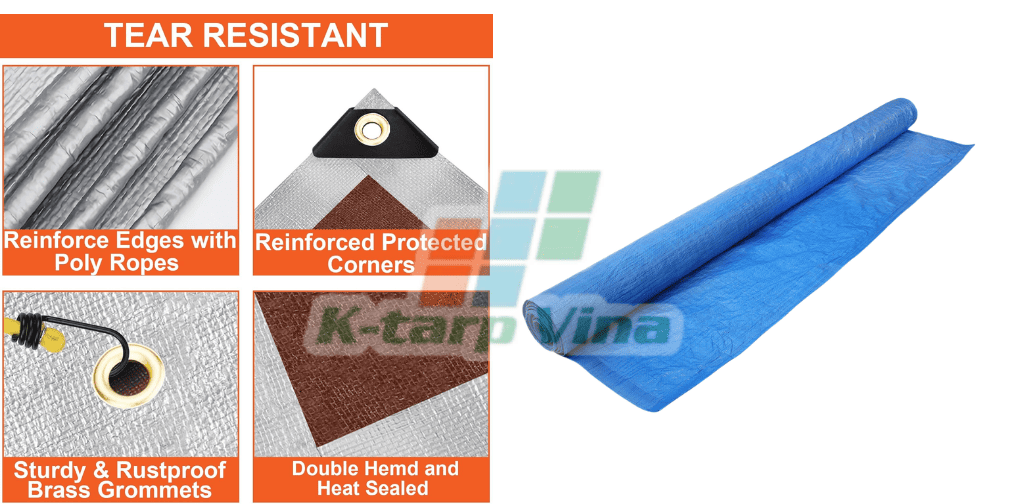
A thin PE tarpaulin sheet is manufactured from polyethylene (PE), a thermoplastic polymer known for its excellent moisture resistance and mechanical flexibility. The material is typically constructed using a woven polyethylene fabric core that provides tensile strength, which is then laminated on both sides with a protective PE coating.
This layered structure allows the tarp to remain lightweight while still offering sufficient durability for temporary applications. In terms of thickness, thin PE tarpaulin sheets generally fall within the range of 60 to 120 GSM (grams per square meter). This classification places them in the low-weight category, making them suitable for applications where heavy-duty strength is not required.
Key Characteristics of Thin PE Tarps
One of the defining characteristics of thin PE tarpaulin sheets is their lightweight nature, which significantly reduces transportation and handling effort. Despite their thin profile, they maintain reliable waterproof performance due to the laminated surface layer.
Additionally, these tarps are highly flexible, allowing them to be easily folded, cut, or adapted to irregular shapes. This flexibility enhances usability across various environments, especially where quick deployment is necessary. While they may not offer extreme durability, their convenience and efficiency make them an essential material for temporary protection.
Common Applications of Thin PE Tarpaulin Sheets
The adaptability of thin PE tarpaulin sheets makes them a practical solution in multiple industries. Their widespread use is largely driven by the need for cost-effective and easy-to-install protective materials.

Construction and Temporary Site Protection
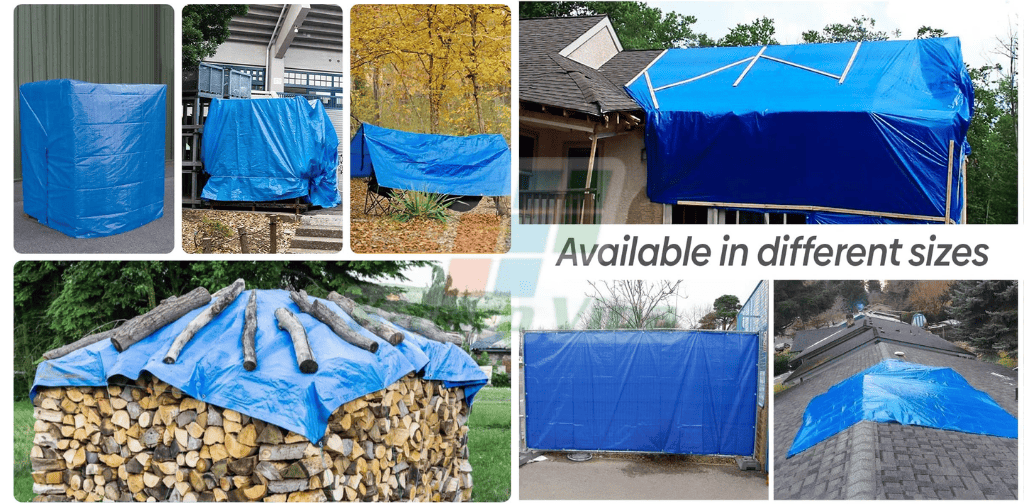
In construction environments, thin PE tarps are frequently used to cover building materials such as cement, sand, timber, or steel components. These materials are highly sensitive to moisture, and even short exposure to rain can affect their quality.
Thin tarpaulin sheets provide an immediate protective barrier, helping maintain material integrity during storage or transport. They are also used to create temporary shelters or partitions on job sites, offering protection against dust, debris, and unpredictable weather conditions.
Agricultural and Farming Uses
In agriculture, thin PE tarpaulin sheets play a vital role in protecting crops and harvested produce. Farmers often use them to cover grains, fruits, or vegetables to prevent moisture absorption and contamination.
They are also applied as ground covers to reduce weed growth or to create temporary shading structures for sensitive crops. Due to their affordability, they are particularly suitable for seasonal farming operations where materials are frequently replaced.
Packaging and Logistics Covering
Within logistics and transportation, thin PE tarps are used as protective covers for goods during transit or storage. They help shield products from rain, dust, and environmental exposure, especially during short-distance shipping or temporary warehousing.
Their lightweight design allows for quick handling, making them ideal for fast-paced logistics operations where efficiency is critical.
Household and DIY Uses
For everyday use, thin PE tarpaulin sheets are commonly utilized in households for tasks such as covering furniture, protecting outdoor equipment, or creating temporary shelters.
They are also widely used in DIY projects due to their ease of cutting and adaptability. Whether for home repairs or outdoor activities, these tarps provide a simple and effective protective solution.
Advantages of Thin PE Tarpaulin Sheets
Thin PE tarpaulin sheets offer several practical advantages that make them an attractive choice for both businesses and individual users. These benefits are particularly evident in short-term and cost-sensitive applications.
Cost-Effective for Short-Term Use
One of the most significant advantages of thin PE tarps is their affordability. Compared to medium or heavy-duty tarpaulins, they require less raw material and lower production costs, resulting in a more economical product.
This makes them especially suitable for large-scale use or disposable applications where minimizing expenses is a priority.
Lightweight and Easy Handling
The lightweight nature of thin PE tarpaulin sheets simplifies transportation, installation, and storage. Workers can deploy or remove them quickly without requiring specialized equipment, which helps reduce labor time and operational costs.
Water Resistance and Basic UV Protection
Despite their reduced thickness, these tarps still provide effective water resistance due to their laminated coating. Some variants also include basic UV stabilization, allowing them to withstand short-term exposure to sunlight without immediate degradation.
Limitations You Should Know Before Choosing
While thin PE tarpaulin sheets are highly practical, they are not suitable for every application. Understanding their limitations is essential for making an informed decision.
Lower Durability Compared to Heavy-Duty Tarps
Due to their lower GSM, thin tarps are more susceptible to tearing or puncturing under stress. They are not designed to withstand heavy loads, sharp objects, or continuous mechanical impact.
Limited Lifespan in Harsh Conditions
In environments with strong sunlight, heavy rain, or high winds, the lifespan of thin PE tarps can be significantly reduced. Prolonged exposure to UV radiation may cause the material to weaken and lose flexibility over time.
Not Suitable for Long-Term Industrial Use
For industrial applications that require long-term reliability, thin PE tarpaulin sheets may not be the best choice. In such cases, investing in thicker and more durable tarps can provide better value over time.
How to Choose the Right Thin PE Tarpaulin Sheet
Selecting the appropriate thin PE tarpaulin sheet involves more than just choosing the lowest price. A careful evaluation of technical specifications ensures optimal performance for your specific application.
Thickness (GSM) Selection Guide
Within the thin category, GSM levels can vary. Lower GSM options are suitable for very light-duty tasks, while higher GSM within the thin range offers improved strength and durability without significantly increasing weight.
Size and Customization Options
Thin PE tarpaulins are available in both roll form and pre-cut sheets. Depending on your requirements, custom sizing may be necessary to reduce material waste and improve coverage efficiency.
Color, Coating, and UV Treatment
Color selection can influence heat absorption and visibility. For outdoor use, choosing a tarp with UV treatment is recommended to extend its usable life. Additional coatings may also enhance resistance to environmental factors.
Thin PE vs Medium and Heavy Duty Tarpaulin
Understanding the differences between thin, medium, and heavy-duty tarpaulins helps determine the most suitable option for a given application.
Key Differences in Thickness and Strength
Thin tarpaulins are designed for lightweight applications, while medium and heavy-duty variants offer increased thickness and significantly higher tensile strength. This directly impacts their ability to withstand stress and environmental conditions.
Use Case Comparison
Thin PE tarps are ideal for temporary, low-risk applications. In contrast, thicker tarpaulins are better suited for demanding environments such as long-term outdoor exposure or industrial use.
Cost vs Performance Trade-off
The choice between different tarp types ultimately comes down to balancing cost and performance. While thin tarps are more economical upfront, heavier options may provide better long-term value in high-demand scenarios.
Why Choose a Reliable Tarpaulin Manufacturer
The quality and consistency of thin PE tarpaulin sheets depend heavily on the manufacturer. Partnering with a reliable supplier ensures better performance and long-term satisfaction.
Quality Control and Material Standards
Experienced manufacturers implement strict quality control processes to ensure that each tarp meets required specifications. This includes monitoring raw materials, production techniques, and final product performance.
Custom Production Capabilities
A capable manufacturer can provide customized solutions tailored to specific customer needs, including size, thickness, color, and branding options.
Export Experience and Global Supply
For international buyers, working with a manufacturer that has export experience ensures smoother logistics, compliance with regulations, and reliable delivery schedules.
Conclusion
Thin PE tarpaulin sheet is a practical and cost-efficient solution for temporary protection across a wide range of applications. Its lightweight structure, waterproof capability, and flexibility make it highly adaptable for both industrial and everyday use.
However, to achieve the best results, it is important to match the product’s characteristics with the intended application. By understanding its strengths and limitations, users can make informed decisions and maximize the value of this versatile material.
Contact – KTARP VINA Co., Ltd
If you are looking for a reliable manufacturer of thin PE tarpaulin sheets, KTARP VINA offers high-quality production, flexible customization, and strong global supply capabilities.
📍 Address: Lot CN3+CN5+CN22, Tu Da–An Dao Industrial Cluster,
Binh Phu Commune, Phu Ninh District, Phu Tho Province, Vietnam
📧 Email: sales@ktarpvina.com
🌐 Website: www.ktarpvina.com


