


A tarpaulin roll supplier is a manufacturer or industrial provider that supplies tarpaulin materials in roll form for large-scale production and commercial applications. For importers, wholesalers, and industrial manufacturers, choosing the right supplier directly impacts product durability, cost efficiency, regulatory compliance, and long-term supply stability. A professional supplier does not simply provide material; they deliver controlled technical standards, consistent production quality, scalable output capacity, and reliable export support.
This comprehensive guide explains how to evaluate a tarpaulin roll supplier strategically and build a sustainable supply partnership.
What Is a Tarpaulin Roll Supplier?
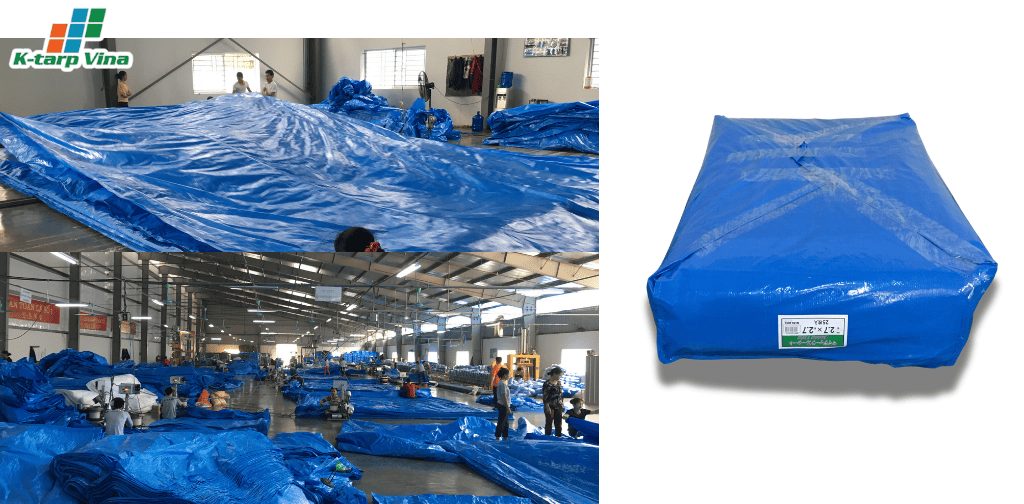
A tarpaulin roll supplier provides PVC or PE tarpaulin materials in continuous roll format instead of finished sheets. These rolls are primarily purchased by factories that convert them into truck covers, tents, agricultural protection systems, warehouse curtains, membrane structures, and industrial shielding products.
Difference Between Manufacturer and Trading Company
Not every supplier operates a production facility. A direct manufacturer controls weaving, coating or lamination, surface finishing, and quality inspection processes. This vertical integration ensures tighter GSM tolerance, better adhesion consistency, and stable mechanical strength. In contrast, trading companies source from multiple factories, which may result in variations between batches.
For long-term cooperation, working directly with a manufacturer typically offers stronger quality control, transparent pricing, and greater customization flexibility.
Types of Tarpaulin Rolls in the Industrial Market
Different industries require different structural properties. Understanding material technology is essential when selecting a tarpaulin roll supplier.
PVC Tarpaulin Rolls
PVC tarpaulin rolls are widely used in heavy-duty and long-term outdoor applications. They are produced using coated or laminated technology. Coated PVC tarpaulin provides stronger bonding between base fabric and PVC layers, delivering high tensile strength and extended weather resistance.
This material is commonly used for truck side curtains, industrial tents, large-scale warehouse partitions, and membrane roofing systems. GSM typically ranges from 450 to 900 depending on durability requirements. Higher GSM materials provide improved tear resistance and better performance under harsh environmental conditions.
PE Tarpaulin Rolls
PE tarpaulin rolls are lighter and more cost-effective. Manufactured through lamination processes, they are suitable for temporary covers, agricultural ground protection, and short-term outdoor use. While economical, PE tarpaulin generally offers lower mechanical strength compared to PVC-coated materials, making it less suitable for high-stress industrial applications.
Heavy-Duty, Medium-Duty and Light-Duty Classification
Industrial buyers categorize tarpaulin rolls based on strength level and thickness consistency. Heavy-duty rolls are designed for long-term exposure and mechanical stress. Medium-duty options balance durability and cost efficiency. Light-duty rolls are more appropriate for temporary or indoor applications. Selecting the appropriate category prevents unnecessary cost while ensuring adequate performance.
Key Technical Factors to Evaluate a Tarpaulin Roll Supplier

Selecting a reliable tarpaulin roll supplier requires a technical evaluation beyond surface appearance or price comparison.
Material Specifications and Performance Stability
Professional suppliers provide detailed technical data sheets specifying GSM, tensile strength, tear resistance, adhesion strength, and UV resistance. Stability across production batches indicates mature manufacturing systems. Inconsistent GSM tolerance often leads to downstream processing difficulties for converters.
A dependable supplier maintains structured quality inspection at multiple stages of production to ensure uniform thickness and coating consistency.
Production Capacity and Manufacturing Scale
Production scale determines delivery reliability. Suppliers operating multiple coating or lamination lines can handle container-level orders without causing shipment delays. For international buyers relying on seasonal demand cycles, production continuity is critical.
Large-scale factories also typically invest in modern machinery and internal testing laboratories, ensuring more stable technical performance across shipments.
Certification and International Compliance
For global markets, regulatory compliance is essential. A qualified tarpaulin roll supplier should maintain ISO-certified quality management systems and comply with required fire-retardant standards when necessary. Environmental compliance, especially for European markets, strengthens product credibility and reduces legal risks.
Working with certified suppliers not only protects the importer but also enhances brand trust among end customers.
OEM and Customization Capability
Modern B2B markets demand differentiation. Suppliers with OEM capability can customize color, embossing pattern, anti-fungal treatment, UV resistance levels, and branding details. This flexibility enables distributors and manufacturers to develop unique product lines tailored to specific markets.
A supplier’s ability to adapt specifications demonstrates both technical strength and market understanding.
Why the Right Tarpaulin Roll Supplier Determines Business Success
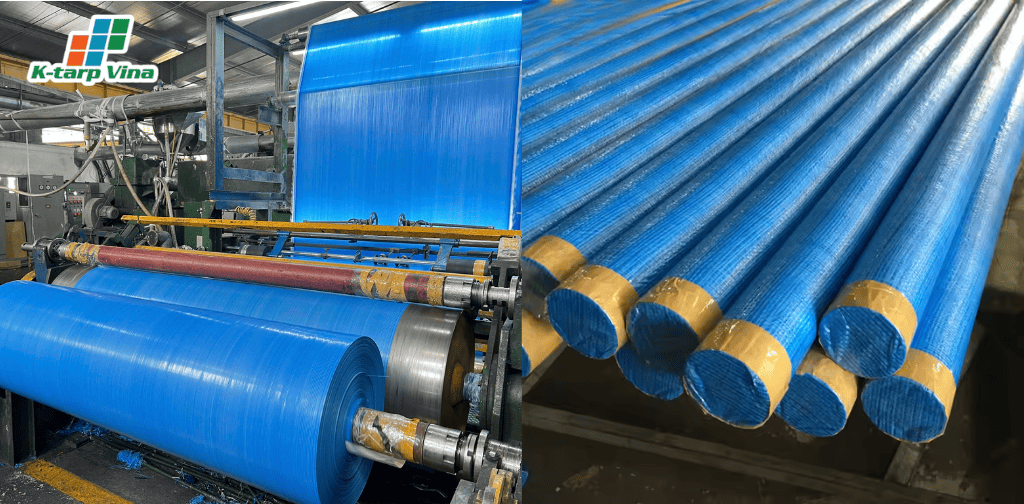
A tarpaulin roll supplier becomes a strategic partner rather than a simple vendor. Stable material quality ensures finished goods maintain consistent durability, reducing customer complaints and warranty claims.
Cost structure is also influenced by supplier selection. Manufacturers with large-scale production capacity often provide more competitive bulk pricing, improving long-term profit margins for wholesalers and distributors.
Furthermore, reliable suppliers reduce operational risks by maintaining consistent lead times and structured contract agreements. In global trade environments, supply chain stability directly affects overall business competitiveness.
Global Sourcing Versus Local Supply Channels
Industrial buyers often evaluate whether to import directly from manufacturing countries or source from local distributors.
Advantages of Global Manufacturing Suppliers
Direct sourcing from manufacturing hubs generally offers stronger cost advantages due to production scale. These suppliers often provide wider GSM ranges, advanced coating technology, and stronger OEM flexibility. For container-scale buyers, global sourcing improves pricing efficiency and customization opportunities.
Situations Where Local Suppliers Are Suitable
Local distributors may provide faster delivery for small-volume orders and simplified logistics for urgent needs. However, because many local suppliers operate as intermediaries, pricing may include additional margins and offer less technical flexibility.
Many strategic buyers combine both approaches, importing bulk quantities while maintaining minimal local stock for emergency replenishment.
How to Establish Long-Term Cooperation With a Tarpaulin Roll Supplier
Long-term cooperation begins with systematic evaluation and structured communication.
Sample Testing and Technical Verification
Buyers should request production-grade samples and conduct independent testing for thickness consistency, tensile strength, and UV resistance performance. Testing results reveal whether the supplier maintains stable manufacturing control.
Factory Assessment and Background Review
Reviewing operational history, export markets served, and production capacity provides insight into the supplier’s experience level. Established factories often maintain transparent documentation and stable international partnerships.
Transparent Commercial Agreements
Clear agreements covering MOQ, lead time, payment terms, and quality claim procedures reflect professional business operations. Contract transparency minimizes future misunderstandings and strengthens long-term trust.
Conclusion: Partner With a Strategic Tarpaulin Roll Supplier
A tarpaulin roll supplier plays a foundational role in industrial supply chains. Selecting a technically capable, certified, and scalable manufacturer ensures consistent product performance, regulatory compliance, and long-term cost efficiency.
For importers, wholesalers, and industrial manufacturers aiming for sustainable growth, investing time in supplier evaluation is a strategic decision that supports operational stability and competitive positioning. The right supplier partnership strengthens brand reputation and enables scalable expansion in demanding global markets.
Contact Information
For reliable manufacturing support and long-term tarpaulin roll supply cooperation, please contact K-TARP VINA:
📍 Address: Lot CN3+CN5+CN22, Tu Da–An Dao Industrial Cluster,
Binh Phu Commune, Phu Ninh District, Phu Tho Province, Vietnam
📧 Email: sales@ktarpvina.com
🌐 Website: www.ktarpvina.com
Building a strong industrial supply chain begins with choosing the right manufacturing partner.


