


Tarpaulin for logistics is a critical solution for protecting goods during transportation, storage, and handling. From covering cargo on trucks to safeguarding warehouse inventory, high-quality tarpaulin ensures durability, weather resistance, and cost efficiency across the supply chain. Choosing the right tarpaulin, especially medium duty tarpaulin, can significantly reduce damage risks and improve operational performance.
What Is Tarpaulin for Logistics and Why It Matters
In modern logistics, protecting goods throughout transportation and storage is essential. Tarpaulin for logistics refers to protective covering materials designed to shield cargo from environmental factors such as rain, sunlight, dust, and moisture.
More than just a covering layer, tarpaulin acts as a protective barrier that helps minimize the risk of damage. Whether in road transport, sea freight, or warehouse storage, tarpaulin plays a vital role in maintaining product quality.
For logistics companies and exporters, using high-quality tarpaulin ensures that goods arrive in optimal condition, which directly impacts customer satisfaction and brand reputation.
Common Types of Tarpaulin Used in Logistics
Different logistics applications require different types of tarpaulin. Understanding these options helps businesses choose the most suitable solution.
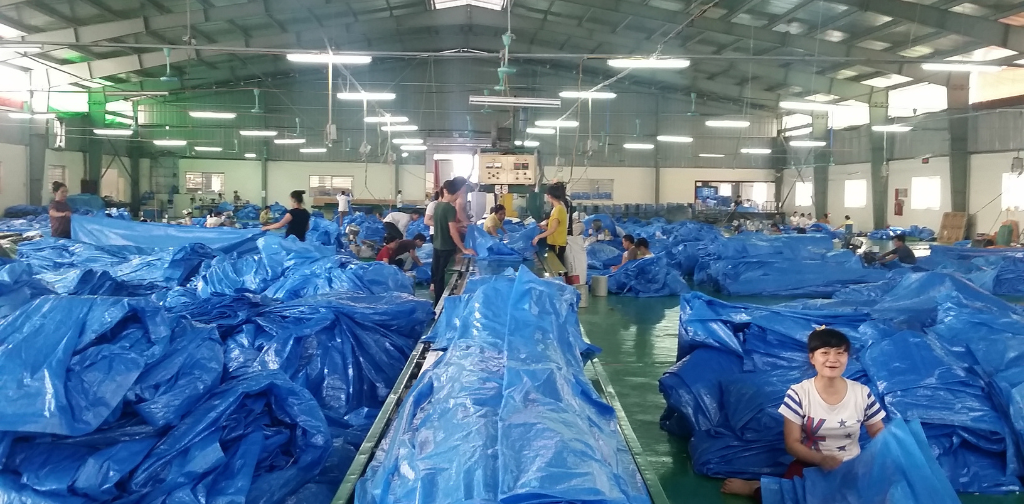
Light Duty Tarpaulin
Light duty tarpaulin is designed for temporary or short-term use. It is lightweight, easy to handle, and cost-effective. However, its durability is limited, making it less suitable for long-distance transportation or heavy cargo.
Medium Duty Tarpaulin
Medium duty tarpaulin is the most commonly used option in logistics. It offers a balanced combination of strength, flexibility, and affordability.
With good waterproof performance and moderate durability, this type is ideal for covering goods during transportation and storage. It performs well in standard outdoor conditions, making it a practical choice for most logistics operations.
Heavy Duty Tarpaulin
Heavy duty tarpaulin is built for demanding environments. It is thicker, stronger, and more resistant to tearing and UV exposure. This type is suitable for long-distance transport, heavy loads, and harsh weather conditions, although it comes at a higher cost.
Specialized Tarpaulin
Specialized tarpaulin includes products with additional features such as UV resistance, flame retardancy, and anti-static properties. These are used for sensitive goods like electronics, chemicals, or hazardous materials.
Applications of Tarpaulin in Logistics and Transportation
Tarpaulin is widely used across various stages of the logistics process, ensuring comprehensive protection for goods.
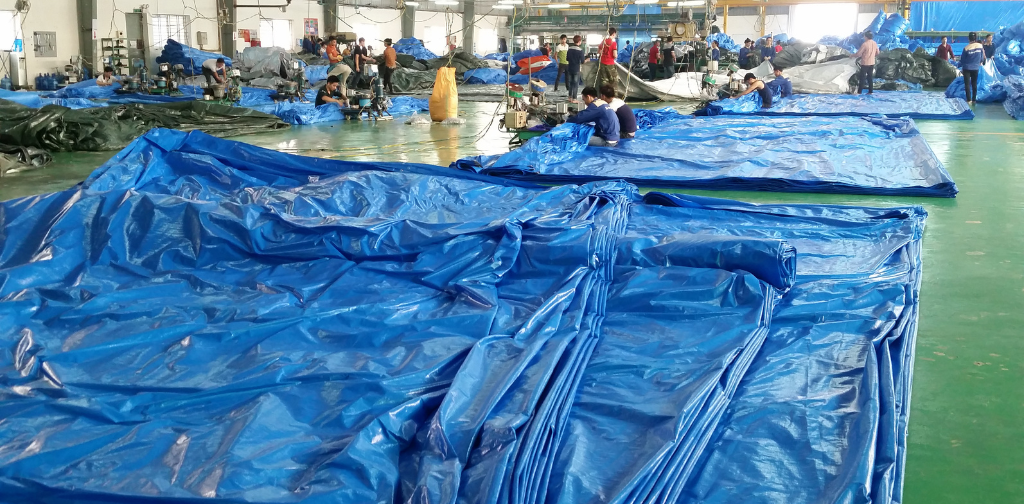
Truck and Trailer Covering
Tarpaulin is commonly used to cover cargo on trucks and trailers. It protects goods from rain, wind, dust, and UV exposure during transit, especially over long distances.
Warehouse Protection
In warehouses, tarpaulin is used to cover pallets, machinery, and raw materials. This helps prevent dust accumulation and moisture damage, maintaining product quality over time.
Container Lining
Tarpaulin can be used as an inner lining for containers to protect cargo from humidity and temperature fluctuations. This is particularly important for international shipping.
Port and Yard Operations
At ports and storage yards, tarpaulin is used to cover goods awaiting shipment. This ensures that cargo remains protected even when exposed to outdoor conditions.
Key Factors to Consider When Choosing Tarpaulin for Logistics
Selecting the right tarpaulin involves evaluating several important factors that directly impact performance and cost efficiency.
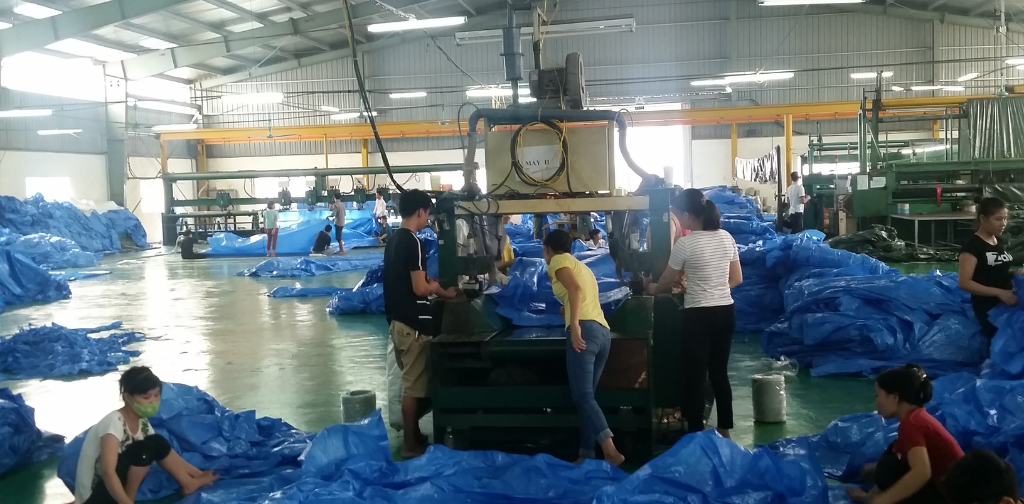
Material (PE, PVC, Canvas)
Material selection is crucial. PE tarpaulin is lightweight, waterproof, and cost-effective. PVC offers higher durability and strength, making it suitable for heavy-duty applications. Canvas is more eco-friendly but less resistant to water.
Durability and GSM
GSM (grams per square meter) indicates the thickness and strength of the tarpaulin. Medium duty tarpaulin typically provides sufficient durability for most logistics needs while remaining cost-efficient.
Waterproof and UV Resistance
Outdoor logistics operations require tarpaulin with strong waterproof and UV-resistant properties to ensure long-term protection against environmental exposure.
Size and Customization
Tarpaulin should match the dimensions of the cargo or transport equipment. Custom sizing options are essential for businesses with specific requirements.
Reinforcement and Eyelets
Reinforced edges and metal eyelets improve durability and make it easier to secure the tarpaulin during use.
Benefits of Using High-Quality Tarpaulin in Logistics
Investing in high-quality tarpaulin provides significant long-term benefits for logistics operations.
First, it reduces the risk of cargo damage caused by weather and external conditions. This is especially important for valuable or sensitive goods.
Second, durable tarpaulin minimizes replacement costs, offering better value over time compared to low-quality alternatives.
Additionally, it improves operational efficiency by ensuring reliable protection and reducing delays caused by damaged goods.
Finally, using quality tarpaulin enhances a company’s professional image and builds trust with customers and partners.
How to Maintain and Extend the Lifespan of Tarpaulin
Proper maintenance is essential to maximize the lifespan and performance of tarpaulin.
After each use, tarpaulin should be cleaned to remove dirt, chemicals, or debris that may cause deterioration. It should be stored in a dry, shaded area to avoid prolonged UV exposure.
Avoid dragging tarpaulin over sharp surfaces, as this can lead to tears and damage. Regular inspection helps identify issues early, allowing timely repair or replacement.
How to Choose a Reliable Tarpaulin Supplier for Logistics
Choosing the right supplier is just as important as selecting the right product.
Businesses should look for manufacturers with proven experience, quality certifications, and the ability to handle large-scale production. Customization capabilities (OEM/ODM) are also a key advantage.
A reliable supplier not only provides high-quality products but also offers expert guidance to help businesses find the most suitable tarpaulin solutions.
FAQ – Tarpaulin for Logistics
What type of tarpaulin is best for logistics?
Medium duty tarpaulin is the most widely used option due to its balance of durability and cost.
Is tarpaulin completely waterproof?
Most PE and PVC tarpaulins are highly waterproof, though performance may vary depending on quality.
Should I choose PE or PVC tarpaulin?
PE is suitable for general use, while PVC is better for heavy-duty and harsh environments.
How long does tarpaulin last?
Its lifespan depends on GSM, usage conditions, and maintenance, typically ranging from several months to several years.
Conclusion
Tarpaulin for logistics is an essential solution for protecting goods and optimizing supply chain efficiency. Choosing the right type, particularly medium duty tarpaulin, allows businesses to achieve the best balance between cost and performance. Partnering with a reliable manufacturer further ensures consistent quality and long-term operational success.
Contact Us
If you are looking for a reliable manufacturer with strong production capacity and consistent quality, KTARP VINA is ready to support your business with customized solutions.
📍 Address: Lot CN3+CN5+CN22, Tu Da–An Dao Industrial Cluster,
Binh Phu Commune, Phu Ninh District, Phu Tho Province, Vietnam
📧 Email: sales@ktarpvina.com


