


Roll tarpaulin has become an essential material in modern agriculture thanks to its versatility, durability, and cost-effectiveness. From protecting crops and soil to supporting livestock shelters and post-harvest storage, roll tarpaulin uses in agriculture continue to expand as farmers seek flexible solutions for changing environmental conditions. With waterproof, UV-resistant, and customizable roll formats, agricultural tarpaulin helps improve productivity while reducing operational risks and losses.
What Is Roll Tarpaulin and Why It Matters in Agriculture
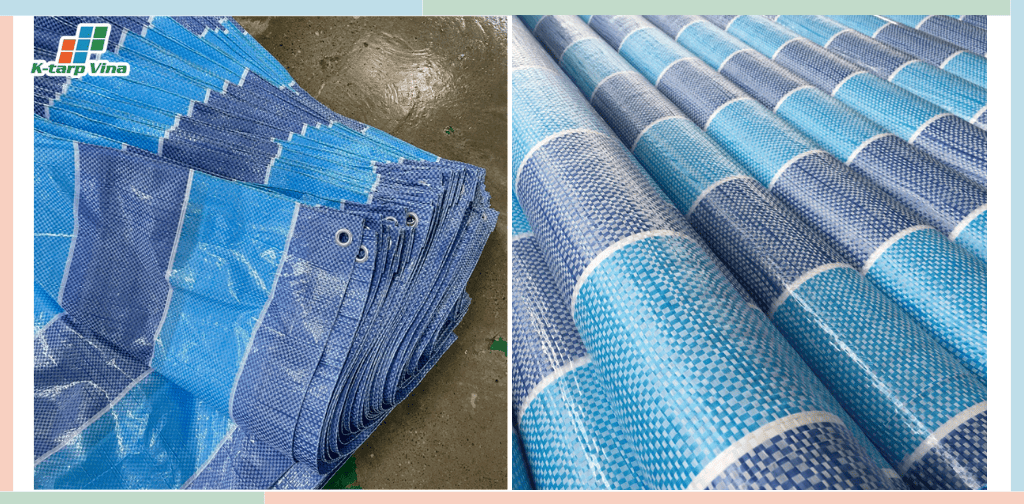
Roll tarpaulin is a flexible sheet material—commonly made from PE, PP, or PVC—supplied in continuous rolls rather than pre-cut sheets. This roll format allows farmers to cut the exact length and width required for specific agricultural applications, minimizing waste and increasing efficiency.
In agriculture, roll tarpaulin is valued for its ability to withstand outdoor conditions such as intense sunlight, heavy rain, wind, and humidity. Unlike permanent structures, tarpaulin provides a temporary yet durable solution that can be installed, removed, and reused across multiple farming cycles. As agriculture increasingly adapts to climate variability and cost pressures, roll tarpaulin plays a vital role in ensuring operational flexibility and crop protection.
Key Roll Tarpaulin Uses in Agriculture
Crop Protection and Weather Control
One of the most common roll tarpaulin uses in agriculture is protecting crops from adverse weather. Farmers use tarpaulin to shield plants from heavy rain, excessive sunlight, frost, and strong winds. This is especially important for young seedlings and seasonal crops that are vulnerable to sudden climate changes.
By controlling exposure to environmental stressors, roll tarpaulin helps reduce crop damage, maintain plant health, and stabilize yields. In open-field farming, it serves as a temporary cover during extreme weather events, while in controlled environments, it acts as an additional protective layer.
Soil Covering and Moisture Retention
Roll tarpaulin is widely used for soil covering to conserve moisture and improve soil conditions. By covering the soil surface, tarpaulin reduces water evaporation, helping maintain consistent moisture levels for plant roots. This is particularly beneficial in dry regions or during periods of limited rainfall.
In addition, soil covering with tarpaulin helps suppress weed growth, reduce soil erosion, and regulate soil temperature. These benefits contribute to healthier soil structure and improved long-term agricultural productivity.
Greenhouse and Nursery Applications
In greenhouse and nursery operations, roll tarpaulin is used for roofing, sidewall coverage, and shading. UV-treated agricultural tarpaulin allows controlled light transmission while protecting plants from excessive heat and harmful radiation.
Because roll tarpaulin is easy to install and replace, it offers a cost-effective alternative to rigid greenhouse materials, especially for temporary or seasonal structures. This flexibility makes it ideal for nurseries, seedling farms, and small-scale greenhouse systems.
Roll Tarpaulin for Livestock, Storage, and Farm Operations
Livestock Shelter and Feed Protection
Livestock farming also benefits significantly from roll tarpaulin applications. Farmers use tarpaulin to construct temporary shelters for cattle, poultry, and other animals, protecting them from rain, heat, and cold winds. Proper shelter improves animal comfort, health, and productivity.
Roll tarpaulin is also commonly used to cover animal feed and fodder. By keeping feed dry and protected from contamination, tarpaulin helps prevent spoilage and reduces waste, contributing to more efficient farm management.
Harvest Storage and Transportation
After harvest, agricultural products remain vulnerable to moisture, sunlight, and physical damage. Roll tarpaulin is widely used to cover harvested crops during temporary storage and internal transportation within farms.
By protecting produce from rain and dust, tarpaulin helps preserve quality and reduce post-harvest losses. Its lightweight yet durable nature makes it easy to deploy over trucks, pallets, or storage piles, ensuring consistent protection throughout the supply chain.
Benefits of Using Roll Tarpaulin in Agricultural Environments
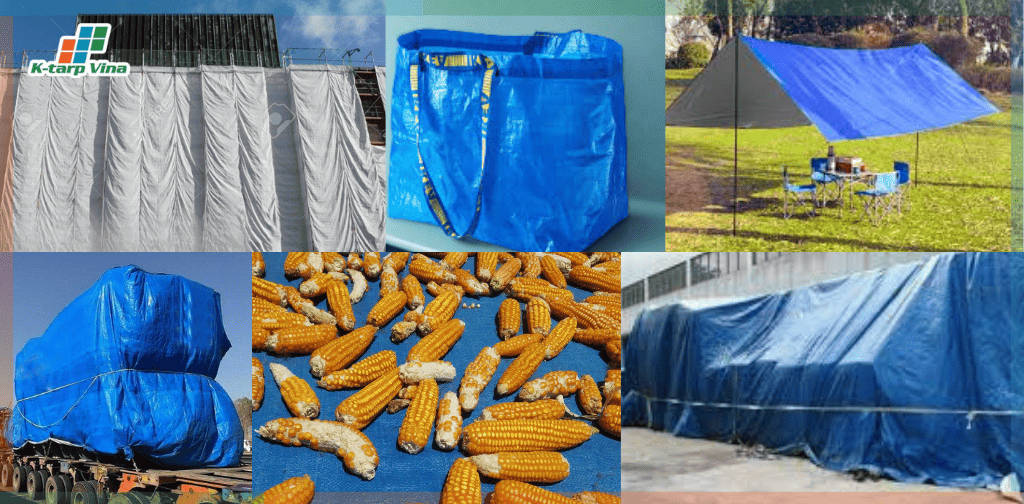
The widespread adoption of roll tarpaulin in agriculture is driven by several key advantages. First, its waterproof and UV-resistant properties provide reliable protection in outdoor conditions. Second, the roll format allows for customized sizing, reducing material waste and installation time.
Roll tarpaulin is also cost-effective compared to permanent structures, making it accessible for farms of all sizes. Its durability ensures long service life, even in harsh environments, while its reusability supports sustainable farming practices. Overall, these benefits make roll tarpaulin a practical and efficient solution for diverse agricultural needs.
Common Types of Roll Tarpaulin Used in Agriculture
Several types of roll tarpaulin are commonly used in agricultural settings. PE roll tarpaulin is the most popular due to its lightweight nature, affordability, and resistance to water and UV rays. For more demanding applications, heavy-duty tarpaulin offers increased thickness and strength.
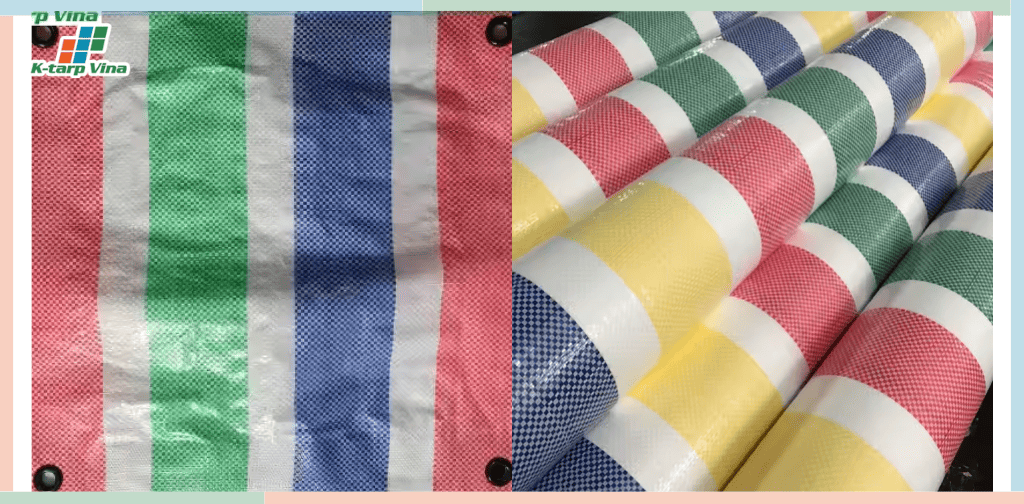
UV-treated agricultural tarpaulin is specifically designed for prolonged outdoor exposure, making it suitable for crop covers and greenhouse use. Different colors—such as green, white, black, or blue—serve specific purposes, including light control, heat management, and visual identification across farm operations.
How to Choose the Right Roll Tarpaulin for Agricultural Use
Selecting the right roll tarpaulin depends on several factors. Farmers should consider the required thickness and GSM based on intended use, whether for lightweight crop covering or heavy-duty shelter construction. UV resistance is essential for outdoor applications, while waterproof performance is critical for storage and soil protection.
It is also important to evaluate roll width, length, and ease of installation to ensure compatibility with existing farm structures. By choosing the appropriate tarpaulin, farmers can maximize efficiency, durability, and return on investment.
Conclusion
From crop protection and soil management to livestock shelter and post-harvest storage, roll tarpaulin uses in agriculture are diverse and increasingly essential. Its flexibility, durability, and cost-efficiency make roll tarpaulin a reliable solution for modern farming challenges. As agricultural operations continue to evolve, roll tarpaulin remains a key material supporting productivity, sustainability, and operational resilience.
K-Tarp Vina – Contact Information
K-Tarp Vina is a trusted manufacturer of high-quality roll tarpaulin solutions designed for agricultural applications and industrial use.
📍 Address: Lot CN3+CN5+CN22, Tu Da–An Dao Industrial Cluster,
Binh Phu Commune, Phu Ninh District, Phu Tho Province, Vietnam
📧 Email: sales@ktarpvina.com
🌐 Website: www.ktarpvina.com
👉 Contact K-Tarp Vina today to receive expert consultation and durable roll tarpaulin products tailored to agricultural needs.


