


A medium thickness tarp roll is one of the most versatile protective materials used across construction, agriculture, logistics, and manufacturing sectors. Positioned between lightweight temporary covers and heavy-duty industrial tarpaulins, this category offers the optimal balance between durability, flexibility, and cost efficiency.
For businesses that require reliable weather protection without investing in ultra-heavy materials, medium thickness tarp rolls provide long-term usability while remaining easy to transport, cut, and install. They are commonly manufactured from polyethylene (PE) or polypropylene (PP), laminated for water resistance, and reinforced with woven mesh structures for tensile strength.
In B2B procurement, selecting the right thickness level is not simply about weight—it is about understanding application demands, environmental exposure, and lifecycle performance.
What Defines a Medium Thickness Tarp Roll?
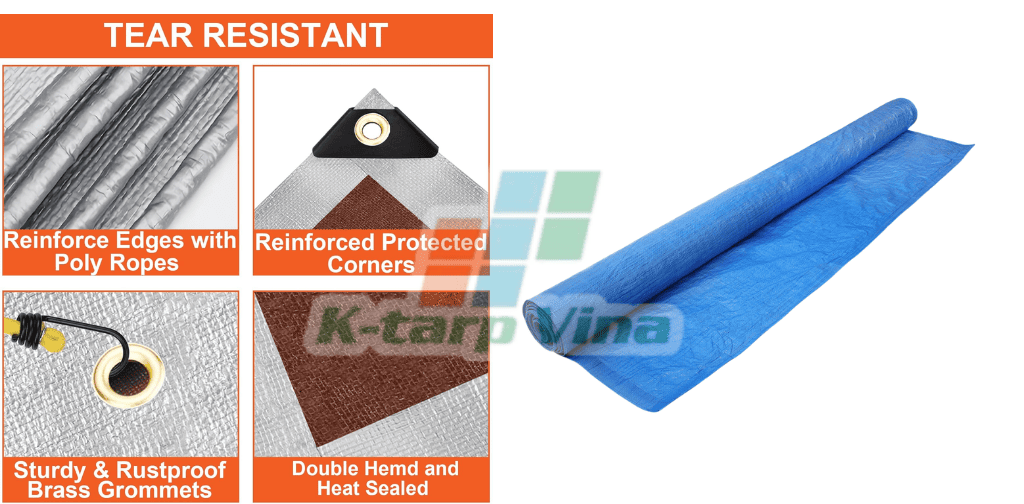
Medium thickness tarp rolls typically range from 90 GSM to 200 GSM, depending on the intended application. GSM (grams per square meter) indicates material density and overall strength. This range makes them significantly stronger than lightweight 60–80 GSM tarps while remaining more flexible and economical than heavy-duty 250–300 GSM industrial tarps.
Unlike finished tarpaulin sheets with pre-installed eyelets, tarp rolls are supplied in bulk roll form. This allows businesses to cut customized sizes for specific needs such as machinery covers, scaffolding protection, greenhouse lining, packaging wraps, or temporary roofing.
The structure generally includes:
-
Woven polyethylene fabric core
-
Double-sided lamination for waterproofing
-
UV stabilization additives
-
Reinforced edges (optional in roll customization)
The woven mesh construction inside the tarp ensures tear resistance and dimensional stability, which is critical for industrial use.
Why Medium Thickness Is the Most Practical Choice for Many Industries
Balanced Strength and Flexibility
A tarp that is too thin can tear under wind stress. A tarp that is too thick may become difficult to handle, fold, or transport. Medium thickness strikes a practical balance, making it ideal for repeated use.
For example, in construction projects where tarps are frequently installed and removed, medium thickness rolls reduce labor strain while maintaining protection against rain and dust.
Cost Efficiency in Bulk Orders
From a procurement perspective, medium thickness tarp rolls offer strong cost-performance value. They are durable enough for multi-season use, reducing replacement frequency, yet affordable enough for high-volume purchasing.
This makes them particularly suitable for wholesalers, construction contractors, agricultural cooperatives, and packaging companies.
Reliable Weather Resistance
With proper lamination and UV treatment, medium thickness tarps can withstand moderate to heavy rain, sunlight exposure, and wind conditions. While not intended for extreme long-term outdoor exposure like heavy industrial tarps, they provide excellent protection for temporary or semi-permanent structures.
Common Applications of Medium Thickness Tarp Roll
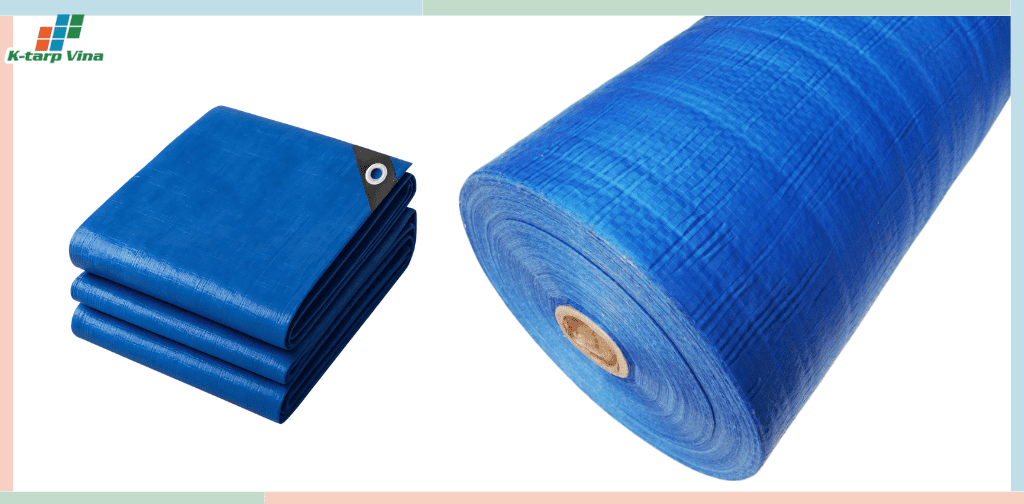
Construction and Infrastructure Projects
Construction sites rely heavily on tarp materials for covering raw materials, shielding scaffolding, and protecting unfinished structures from rain. Medium thickness tarp rolls are preferred because they are durable yet manageable for large surface coverage.
They are commonly used for:
-
Cement and sand pile coverage
-
Temporary roofing during renovation
-
Dust control barriers
-
Equipment protection
The woven structure ensures resistance against tearing when secured with ropes or fasteners.
Agricultural and Farming Use
In agricultural environments, medium thickness tarp rolls are widely used for crop covering, greenhouse lining, ground protection, and storage shielding.
Farmers benefit from their flexibility and water resistance. With UV stabilization, these tarps can last multiple planting seasons, especially in tropical climates where sun exposure is intense.
They also help protect harvested crops from moisture contamination during storage or transport.
Logistics and Transportation
In logistics, medium thickness tarp rolls are used to manufacture truck covers, pallet wraps, and cargo shielding systems. Their moderate weight allows easy handling while providing adequate tear resistance against wind during transport.
For export packaging, tarp rolls are cut to size to wrap heavy equipment, steel products, or machinery components.
Industrial Warehousing
Warehouses use tarp rolls for partitioning spaces, covering inventory, and emergency roof protection. Because the material is supplied in roll form, businesses can quickly cut large customized sheets when unexpected weather events occur.
Technical Specifications to Consider
When sourcing medium thickness tarp rolls, understanding technical parameters ensures product consistency and performance reliability.
GSM and Thickness Range
The most common GSM range for medium thickness tarps is 100–180 GSM. The appropriate selection depends on the intended usage:
-
100–120 GSM: Light industrial and agricultural use
-
130–150 GSM: Construction and logistics coverage
-
160–180 GSM: Semi-heavy industrial protection
Higher GSM generally correlates with improved durability and tear strength.
Roll Width and Length
Manufacturers typically provide roll widths from 1 meter to 4 meters, with customizable lengths depending on container capacity and export requirements.
Large roll formats reduce seam joining during installation, improving overall structural integrity.
UV Stabilization
UV additives extend product lifespan by minimizing polymer degradation under sunlight. For outdoor use in tropical or high-UV regions, UV-treated tarp rolls are strongly recommended.
Waterproof Rating
Laminated polyethylene tarps are inherently waterproof. However, lamination quality affects long-term water resistance. Double-sided lamination enhances durability and prevents moisture penetration.
Material Composition and Manufacturing Process
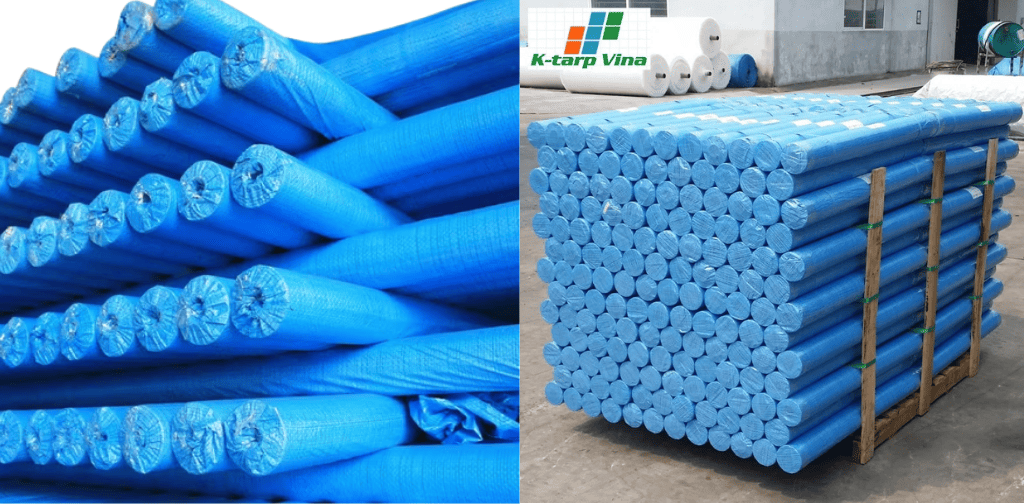
Medium thickness tarp rolls are commonly produced using high-density polyethylene (HDPE) woven fabric laminated with low-density polyethylene (LDPE) film layers.
The process includes:
-
Extruding polyethylene into flat tapes
-
Weaving tapes into a mesh structure
-
Laminating both sides with protective film
-
Cutting and rolling according to specification
This multi-layered structure provides tensile strength while maintaining flexibility. The woven core distributes stress evenly, preventing localized tearing.
Manufacturers may also incorporate color pigments and anti-oxidation additives during extrusion to improve visual appearance and durability.
Comparing Medium Thickness vs. Lightweight and Heavy-Duty Tarps
Choosing the right tarp category depends on usage frequency and exposure conditions.
Lightweight tarps are economical but suitable mainly for short-term indoor protection. Heavy-duty tarps offer maximum strength but can be rigid, expensive, and harder to handle.
Medium thickness tarp rolls provide a strategic middle ground. They are strong enough for demanding outdoor use yet flexible enough for practical daily operations.
For most commercial buyers, this balance makes them the most efficient choice.
How to Choose the Right Supplier
When sourcing medium thickness tarp roll for wholesale or industrial projects, supplier reliability directly impacts product quality and delivery timelines.
Key evaluation factors include:
-
Consistent GSM accuracy
-
Uniform lamination thickness
-
Stable color and UV quality
-
Production capacity for bulk orders
-
Export experience and packaging standards
Working directly with manufacturers reduces intermediary costs and allows customization in roll width, color, and branding.
Quality control procedures, including tensile testing and waterproof testing, should be verified before long-term contracts.
Sustainability and Environmental Considerations
Modern polyethylene tarp production increasingly focuses on recyclable materials and reduced environmental impact.
Medium thickness tarps can often be recycled depending on local facilities. Longer product lifespan also reduces overall waste generation compared to frequently replaced lightweight tarps.
Some manufacturers now offer recyclable-grade polyethylene materials or incorporate recycled resin into production while maintaining mechanical strength.
Sustainability certifications and compliance documentation are becoming important for international buyers, particularly in European and North American markets.
Maintenance and Storage Tips
Proper maintenance extends the lifespan of medium thickness tarp rolls.
After use, tarps should be cleaned to remove dirt, chemical residues, or moisture. Storing rolls in dry, shaded areas prevents premature UV degradation.
Avoid dragging tarps over sharp surfaces, and inspect for small tears that can be repaired early to prevent expansion.
Correct handling ensures multiple cycles of use, maximizing return on investment.
Why Medium Thickness Tarp Roll Remains a Top Industrial Choice
The widespread use of medium thickness tarp rolls across multiple industries is not accidental. Their technical balance of durability, affordability, and flexibility makes them an indispensable material in commercial environments.
They meet the performance requirements of construction contractors, agricultural producers, logistics providers, and warehouse operators without imposing excessive costs.
In global B2B trade, demand remains stable due to ongoing infrastructure development, agricultural expansion, and export logistics growth.
Partner with a Trusted Manufacturer
If you are sourcing medium thickness tarp roll for construction, agriculture, logistics, or industrial applications, partnering with a reliable manufacturer ensures product consistency and competitive pricing.
K-Tarp Vina specializes in producing polyethylene tarp rolls with controlled GSM specifications, UV stabilization, and customizable dimensions tailored for international markets. Our production system emphasizes woven reinforcement precision, uniform lamination, and export-grade quality control.
Whether you require OEM branding, bulk container orders, or specific thickness customization, our team is ready to support your procurement process.
K-TARP VINA Contact Information
📍 Address: Lot CN3+CN5+CN22, Tu Da–An Dao Industrial Cluster,
Binh Phu Commune, Phu Ninh District, Phu Tho Province, Vietnam
🌐 Website: www.ktarpvina.com
For wholesale inquiries, product specifications, or long-term supply cooperation, contact us directly for detailed consultation and quotation support.


