


Light duty tarpaulin is a lightweight, flexible covering material commonly used for temporary protection in daily life, agriculture, construction, and short-term storage. Typical light duty tarpaulin uses include covering household items, protecting goods from rain and dust, lining surfaces during repairs, and shielding agricultural products after harvest. Compared to medium or heavy duty tarpaulin, light duty tarpaulin is thinner, easier to handle, and more cost-effective, making it suitable for short-term or low-load applications. While it offers basic waterproofing and UV resistance, it is not designed for long-term outdoor exposure or heavy industrial use. Understanding the correct applications, advantages, and limitations of light duty tarpaulin helps users choose the most efficient and economical solution for their specific needs.
What Is Light Duty Tarpaulin?
Definition and Basic Characteristics
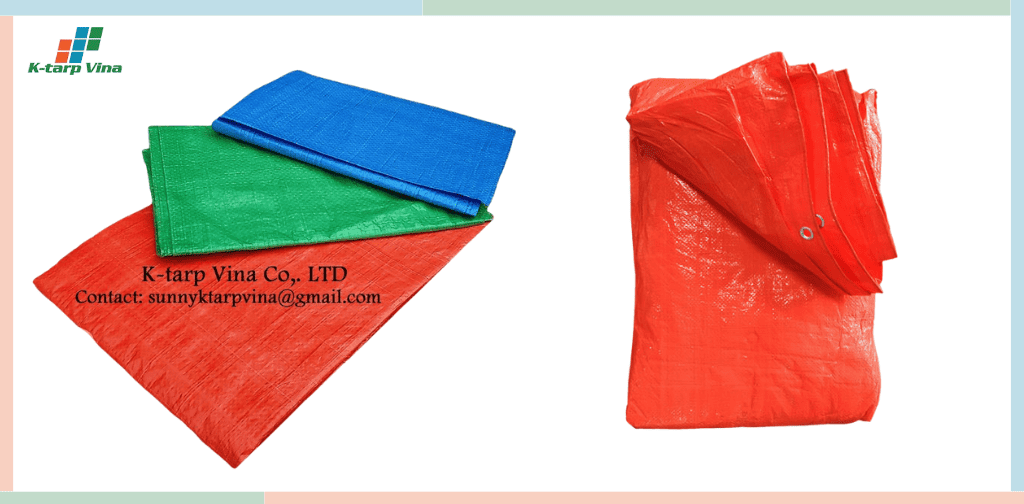
Light duty tarpaulin is a type of tarp designed for temporary or light-load applications. It is typically thinner and lighter than medium or heavy duty tarpaulin, making it easy to fold, transport, and install. This type of tarpaulin is widely used in situations where short-term protection is required rather than long-term structural coverage.
Common Materials and Thickness
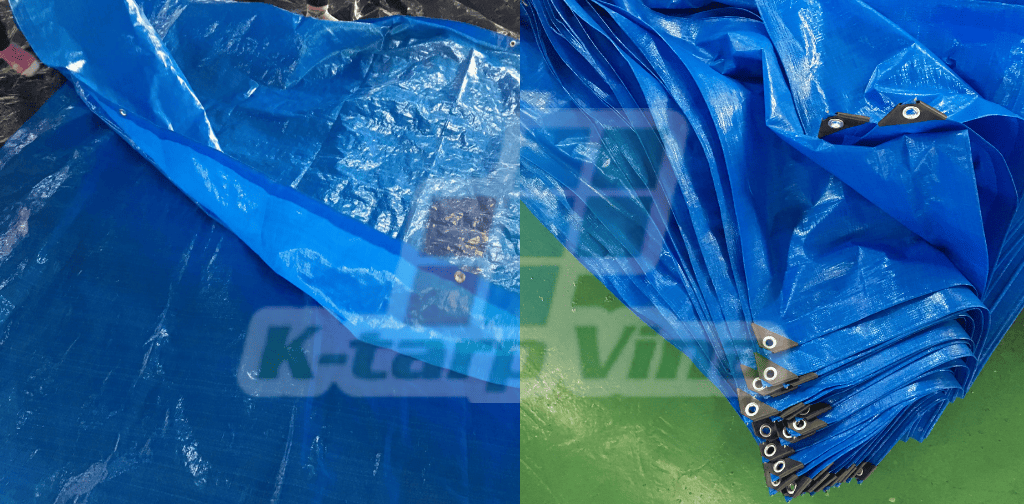
Most light duty tarpaulins are manufactured from polyethylene (PE) or polypropylene (PP). These materials provide basic waterproof properties and moderate resistance to sunlight. Thickness and weight vary depending on the manufacturer, but light duty tarpaulin generally falls within the lower GSM (grams per square meter) range compared to heavier alternatives.
Difference Between Light Duty and Heavy Duty Tarpaulin
The main difference lies in durability and intended use. Heavy duty tarpaulin is designed to withstand harsh weather, strong winds, and heavy loads over extended periods. In contrast, light duty tarpaulin focuses on flexibility, affordability, and ease of use, making it more suitable for temporary or indoor applications.
Common Light Duty Tarpaulin Uses
Household and Daily Life Uses
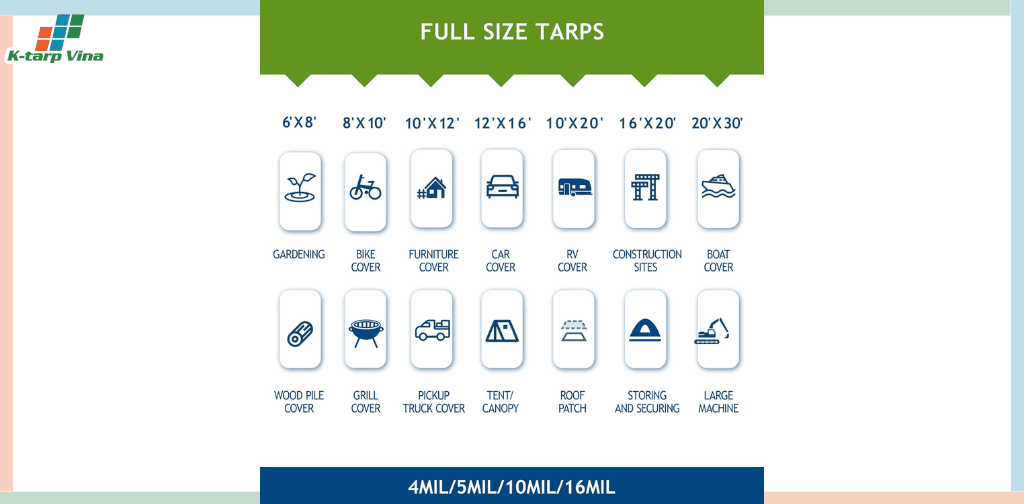
One of the most common light duty tarpaulin uses is in household environments. It is often used to cover furniture, appliances, or personal belongings during renovations, moving, or storage. Light duty tarpaulin also serves as a simple solution for protecting bicycles, motorbikes, or firewood from rain and dust in residential settings.
Outdoor and Temporary Covering Uses
For outdoor applications, light duty tarpaulin is frequently used as a temporary rain cover or sunshade. It can protect garden equipment, outdoor seating, or building materials for short periods. Due to its lightweight nature, it is easy to install and remove, which is ideal for temporary outdoor needs.
DIY and Short-Term Protection Applications
DIY projects often rely on light duty tarpaulin to protect floors, walls, or surfaces from paint, dust, and moisture. It is also commonly used as a ground sheet for camping, picnics, or temporary work areas where basic protection is sufficient.
Light Duty Tarpaulin Uses in Agriculture and Industry
Agricultural Applications
In agriculture, light duty tarpaulin is widely used to cover crops, harvested produce, animal feed, or fertilizers. Farmers use it to protect products from rain and sunlight during short-term storage or transportation. Its low cost and ease of handling make it practical for seasonal agricultural activities.
Construction and Industrial Uses
On construction sites, light duty tarpaulin is typically used for non-structural purposes such as covering tools, light materials, or unfinished surfaces. It can also serve as a temporary dust or paint shield during interior work. However, it is not recommended for heavy machinery or long-term outdoor exposure on construction sites.
Transportation and Short-Term Storage Uses
Another important light duty tarpaulin use is in transportation and storage. It helps protect goods from dirt and moisture during short-distance transport or temporary warehousing. For lightweight cargo and short durations, light duty tarpaulin provides an economical and effective solution.
Advantages and Limitations of Light Duty Tarpaulin
Key Advantages of Light Duty Tarpaulin
Light duty tarpaulin is valued for its affordability, lightweight structure, and versatility. It is easy to fold, store, and reuse for multiple purposes. These advantages make it particularly attractive for households, small businesses, and agricultural users with short-term needs.
Limitations and When It Is Not Recommended
Despite its benefits, light duty tarpaulin has clear limitations. It is not designed to withstand strong winds, heavy loads, or prolonged UV exposure. Using it in harsh environments or for long-term outdoor coverage may lead to tearing or reduced effectiveness.
Typical Lifespan and Durability Expectations
The lifespan of light duty tarpaulin depends on usage conditions. When used indoors or for temporary outdoor applications, it can last through multiple uses. Continuous exposure to extreme weather, however, will significantly shorten its service life.
How to Choose the Right Light Duty Tarpaulin for Your Needs
Choosing by Thickness and Weight
Selecting the correct thickness is essential. Thicker light duty tarpaulin offers slightly better durability while remaining easy to handle. Users should match the thickness to the intended application rather than choosing the thinnest option by default.
Choosing by Size and Color
Proper sizing ensures effective coverage without excessive material. Color choice can also matter, as darker colors often provide better UV protection, while lighter colors reflect heat and are preferred for indoor or agricultural use.
Selecting the Right Material for Each Use Case
PE tarpaulin is commonly chosen for waterproofing and affordability, while PP tarpaulin may offer better resistance to wear. Understanding the material properties helps optimize performance for specific light duty tarpaulin uses.
FAQs About Light Duty Tarpaulin Uses
What are light duty tarpaulins commonly used for?
They are commonly used for temporary covering, household protection, agricultural storage, DIY projects, and short-term outdoor applications.
Is light duty tarpaulin waterproof?
Yes, most light duty tarpaulins are waterproof, but they are designed for light rain and short-term exposure rather than extreme weather.
Can light duty tarpaulin be used outdoors long-term?
It is not recommended for long-term outdoor use due to limited UV and weather resistance.
How long does a light duty tarpaulin last?
Its lifespan varies depending on usage, but it generally lasts longer when used indoors or intermittently outdoors.
When should I choose heavy duty tarpaulin instead?
Heavy duty tarpaulin is more suitable for long-term outdoor coverage, heavy loads, or harsh environmental conditions.
Conclusion
Light duty tarpaulin uses offers a practical and cost-effective solution for a wide range of temporary protection needs. From household and agricultural applications to construction and transportation, understanding the correct light duty tarpaulin uses helps users maximize efficiency while minimizing costs. By recognizing its advantages and limitations, and by selecting the right specifications, light duty tarpaulin can be an ideal choice for short-term and lightweight applications.
K-Tarp Vina – Contact Information
If you are looking for a reliable supplier of light duty tarpaulin for various applications, K-Tarp Vina is ready to support your sourcing and customization needs with stable quality and competitive pricing.
📍 Address: Lot CN3+CN5+CN22, Tu Da–An Dao Industrial Cluster, Binh Phu Commune, Phu Ninh District, Phu Tho Province, Vietnam
📧 Email: sales@ktarpvina.com
🌐 Website: www.ktarpvina.com


