


Light duty tarp for temporary cover is a lightweight polyethylene tarpaulin engineered for short-term protection against rain, dust, debris, and mild sun exposure. Made from woven PE fabric with laminated waterproof coating, it is primarily used for temporary covering in construction, agriculture, household moving, and short-term storage applications.
Unlike medium or heavy duty tarps, this category is designed for flexibility, easy handling, and cost efficiency rather than long-term structural performance. It offers practical protection when coverage is needed quickly and temporarily, without requiring heavy installation systems.
What Is a Light Duty Tarp for Temporary Cover?

A light duty tarp for temporary cover is a thin, portable protective sheet made from woven polyethylene. Its primary function is to shield surfaces, equipment, or goods from environmental exposure for a limited period of time. Because it is lightweight and easy to deploy, it is commonly selected for temporary projects rather than permanent installations.
The defining characteristic of this tarp category is short-term usability. It performs well in mild weather conditions and controlled environments but is not engineered to withstand sustained mechanical stress or extreme weather forces.
What Does “Temporary Cover” Mean in Practice?
Temporary cover refers to protective use lasting from several hours to a few weeks, depending on environmental exposure. For example, contractors may use a tarp overnight to protect cement bags from unexpected rain. Homeowners may use it during renovation to shield furniture from dust. Logistics operators may use it while goods are waiting for loading.
In all these cases, the tarp is intended to be installed quickly, removed easily, and reused when needed. It is not meant to serve as a long-term roofing or permanent structural covering solution.
How It Differs from Medium and Heavy Duty Tarps
The primary differences lie in material density, tensile strength, and durability. Light duty tarps typically have lower GSM and thinner lamination layers, which reduce weight and cost. Medium and heavy duty tarps incorporate thicker woven cores and stronger reinforcement, making them more suitable for extended outdoor exposure and high wind conditions.
Choosing the wrong category can lead either to unnecessary expense or premature material failure.
Technical Specifications That Define a Light Duty Tarp
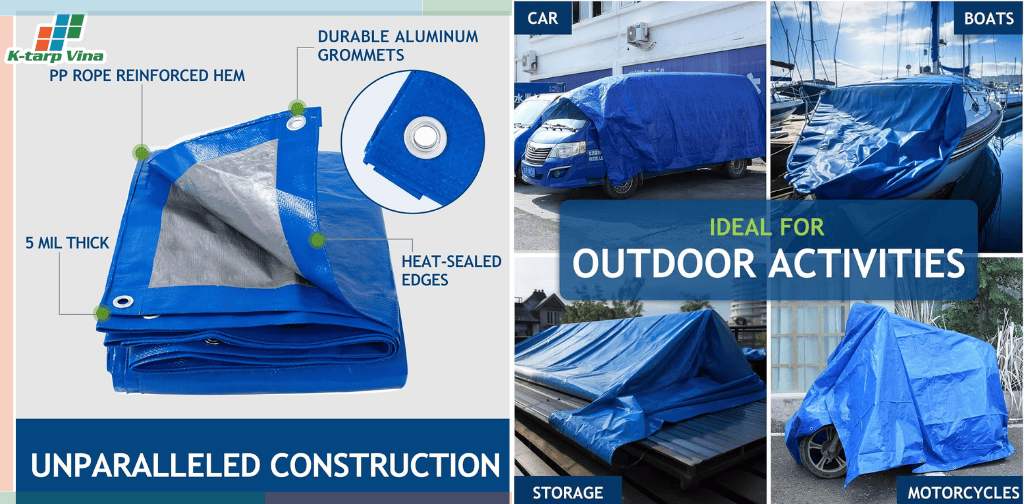
Understanding the structural and performance characteristics helps evaluate whether a light duty tarp matches your operational needs.
Material Composition and Structural Design
Most light duty tarps are manufactured using woven polyethylene strips interlaced to form a base fabric. This woven structure provides directional tensile strength while keeping the material lightweight. Both sides are laminated with polyethylene film to create a waterproof barrier that prevents moisture penetration.
The lamination also enhances surface smoothness, making it easier for water to run off rather than accumulate.
GSM Range and Performance Implications
Light duty tarps generally fall within the 60–120 GSM range. GSM (grams per square meter) directly influences durability and resistance to tearing. A lower GSM tarp is highly flexible and economical, suitable for indoor or low-risk environments. A higher GSM within this range offers slightly better puncture and tear resistance while still remaining easy to handle.
Understanding GSM helps buyers balance cost, strength, and weight.
Waterproof Capability and UV Resistance
Waterproofing is achieved through laminated PE layers that block water absorption. Under moderate rainfall, a properly installed light duty tarp provides reliable protection. However, UV resistance is often limited unless UV stabilizers are incorporated during manufacturing.
Without UV treatment, prolonged exposure to direct sunlight may cause the material to become brittle over time, reducing its service life.
Edge Reinforcement and Fastening System
The perimeter of the tarp is typically reinforced through folded hems and heat sealing. Aluminum or plastic eyelets are installed along the edges to facilitate secure fastening. Proper eyelet spacing distributes tension evenly, reducing the risk of tearing during installation.
The quality of reinforcement directly impacts overall performance under mild wind conditions.
Common Applications of Light Duty Tarp for Temporary Cover
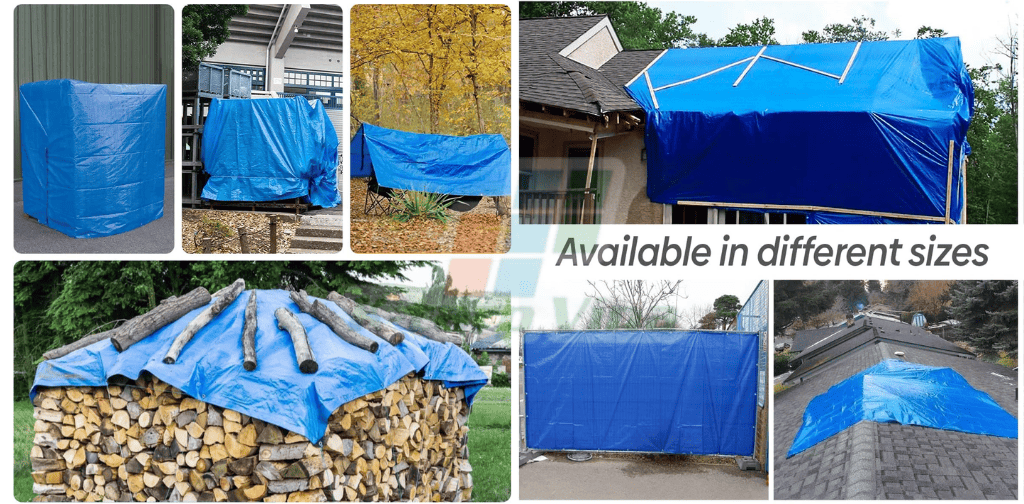
The versatility of this tarp type allows it to be used across multiple industries and daily activities.
Construction and Renovation Projects
On construction sites, light duty tarps are frequently used to protect sand, cement, tools, and unfinished surfaces from rain and debris. Because installation requires minimal labor, they are practical for short work interruptions or overnight coverage.
Agriculture and Horticulture
Farmers use light duty tarps to temporarily cover harvested crops, soil piles, irrigation equipment, or seedlings. The lightweight nature allows quick repositioning when weather conditions change. However, for long-term field exposure, stronger tarp categories are recommended.
Household, Relocation, and Maintenance
During moving or remodeling, tarps protect furniture, flooring, and appliances from dust, paint splashes, and moisture. Their flexibility makes them easy to adapt to irregular shapes and confined indoor spaces.
Temporary Storage and Transport Protection
Warehouses and logistics providers use light duty tarps to shield goods awaiting dispatch. They are suitable for short exposure during staging but are not intended for long-term outdoor storage in harsh environments.
Across these scenarios, the defining advantage remains temporary, adaptable protection.
Benefits and Limitations Before You Buy
Evaluating both strengths and weaknesses ensures informed purchasing decisions.
Core Advantages
Light duty tarps are cost-effective and widely available. Their low weight simplifies transportation and installation, reducing labor requirements. They can be folded compactly and reused multiple times under moderate conditions.
For businesses managing short-term projects or individuals handling occasional tasks, this tarp category offers a practical balance between protection and affordability.
Performance Constraints
Despite their versatility, light duty tarps have structural limitations. They are not designed to endure high wind loads, heavy mechanical stress, or prolonged UV exposure. Excessive tension or sharp objects may puncture or tear the material.
For applications involving extended outdoor use or demanding environmental conditions, medium or heavy duty tarps provide better long-term value.
How to Choose the Right Light Duty Tarp for Temporary Cover
Selecting the correct tarp involves evaluating environmental conditions, duration of use, and installation method.
Match GSM to Environmental Risk
Indoor use or sheltered environments generally require lower GSM. For short-term outdoor use, selecting a slightly higher GSM within the light duty category improves tear resistance and reliability.
Select Appropriate Dimensions
Choosing the correct size prevents overstretching. Adequate overlap allows secure fastening without excessive tension, reducing strain on eyelets and edges.
Consider UV Treatment and Reinforcement Quality
If the tarp will be exposed to sunlight, even temporarily, confirm whether UV stabilization is included. Inspect reinforced hems and eyelet installation to ensure stable anchoring.
A careful selection process ensures optimal performance and reduces premature wear.
Light Duty vs Medium vs Heavy Duty Tarp
Understanding comparative performance clarifies purchasing decisions.
Structural Strength and Longevity
Light duty tarps prioritize portability and short-term protection. Medium duty tarps provide enhanced tear strength and longer outdoor usability. Heavy duty tarps are engineered for industrial environments and extended exposure.
Weather Resistance and Durability
While light duty tarps effectively repel rain, they are less resistant to wind stress and UV degradation. Heavier tarps incorporate stronger woven cores and thicker lamination to withstand demanding conditions.
Cost Efficiency vs Long-Term Investment
Light duty tarps are the most economical choice for temporary cover. Medium and heavy duty tarps require higher initial investment but offer extended service life in challenging environments.
If your primary objective is flexible, short-term coverage, a light duty tarp for temporary cover remains the most efficient and practical solution. For prolonged outdoor use or structural demands, upgrading to a stronger category ensures better durability and safety.
K-Tarp Vina – Contact Information
📍 Address: Lot CN3+CN5+CN22, Tu Da–An Dao Industrial Cluster, Binh Phu Commune, Phu Ninh District, Phu Tho Province, Vietnam
📧 Email: sales@ktarpvina.com
🌐 Website: www.ktarpvina.com


