


Laminated tarpaulin roll is a versatile material widely used for covering, protecting, and packaging across industries such as construction, agriculture, and logistics. Thanks to its waterproof structure, UV resistance, and cost efficiency, this material has become a preferred choice for both industrial and commercial applications. Understanding its specifications, benefits, and selection criteria will help businesses choose the most suitable solution.
What is Laminated Tarpaulin Roll?
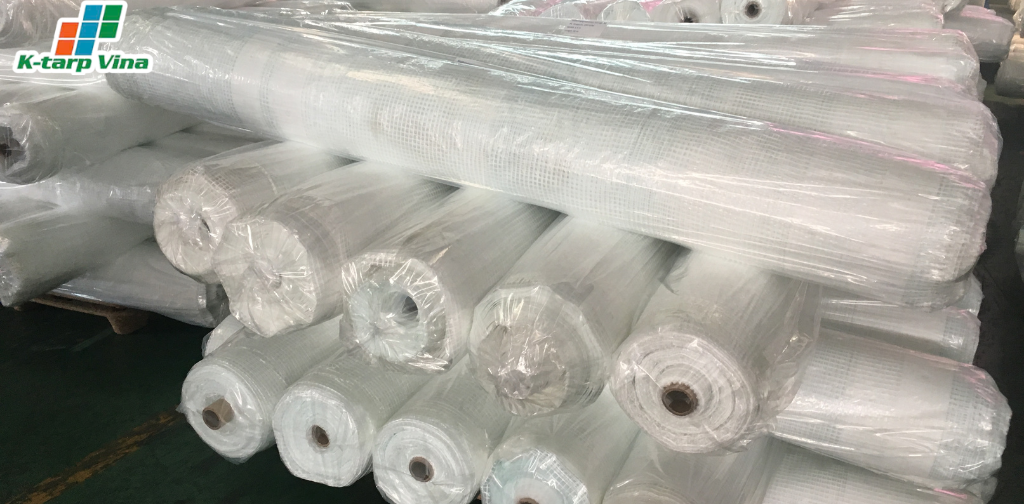
Laminated tarpaulin roll refers to a type of protective sheet material made by laminating layers of polyethylene onto a woven fabric base. This process enhances the strength, durability, and waterproof capability of the tarpaulin, making it ideal for both indoor and outdoor applications.

Structure and Composition
A typical laminated tarpaulin roll consists of three main layers. The core layer is made from HDPE woven fabric, which provides tensile strength and tear resistance. This fabric is then coated on both sides with LDPE lamination layers, creating a smooth and waterproof surface. In some cases, additional coatings are applied to improve UV resistance and extend product lifespan.
Key Characteristics
Laminated tarpaulin rolls are known for being lightweight yet durable, allowing easy transportation and installation. They offer excellent waterproof performance, making them suitable for harsh weather conditions. Additionally, the material is flexible, foldable, and resistant to mildew and chemicals, which increases its versatility in different industries.
Key Benefits of Laminated Tarpaulin Rolls
One of the reasons laminated tarpaulin rolls are widely used is their ability to deliver strong performance at a reasonable cost. Businesses often choose this material because it balances durability with affordability.
Superior Waterproof Protection
The laminated surface prevents water penetration, ensuring that goods, equipment, or construction materials remain dry even during heavy rain. This makes it a reliable solution for outdoor coverage and storage.
UV and Weather Resistance
High-quality laminated tarpaulin rolls are treated with UV stabilizers, allowing them to withstand prolonged sun exposure without degrading quickly. This feature is particularly important for agricultural and construction applications where materials are constantly exposed to sunlight and varying weather conditions.
Cost-Effective Solution
Compared to heavier materials like PVC tarpaulin, laminated tarpaulin rolls offer a more economical option while still maintaining sufficient durability for most applications. This makes them suitable for large-scale use where cost control is essential.
Easy Customization
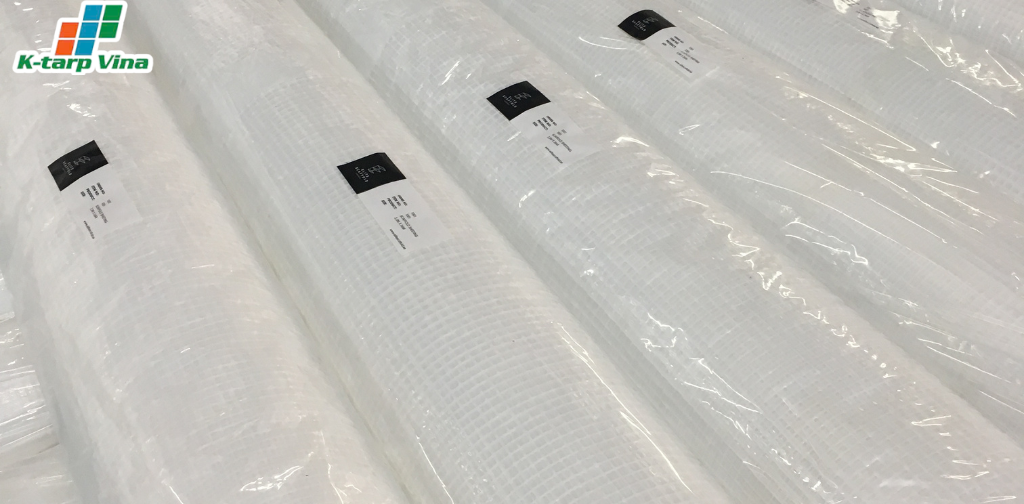
Manufacturers can produce laminated tarpaulin rolls in various specifications, including different thickness levels (measured in GSM), colors, widths, and roll lengths. This flexibility allows businesses to choose products that match their exact needs.
Common Applications Across Industries
Laminated tarpaulin rolls are widely used across multiple sectors due to their versatility and protective qualities. Their adaptability makes them a standard material in many industrial operations.
Construction Industry
In construction, laminated tarpaulin is commonly used to cover building materials, protect scaffolding, and create temporary shelters. It helps prevent damage caused by rain, dust, and debris, ensuring project continuity.
Agriculture Sector
Farmers use laminated tarpaulin rolls for crop protection, ground covering, and storage of agricultural products. The waterproof and UV-resistant properties help preserve crop quality and reduce losses.
Transportation and Logistics
Laminated tarpaulin is widely used as truck covers and cargo protection sheets. It ensures that goods remain safe during transit, especially in long-distance or international shipping.
Industrial and Packaging Uses
In industrial settings, laminated tarpaulin rolls are used for wrapping machinery, creating temporary partitions, and protecting equipment. They are also used in packaging applications where moisture protection is required.
Laminated vs Coated Tarpaulin – What’s the Difference?
Understanding the difference between laminated and coated tarpaulin is essential when selecting the right material for specific applications.
Manufacturing Process Comparison
Laminated tarpaulin is produced by bonding layers of polyethylene film onto woven fabric. In contrast, coated tarpaulin involves applying a liquid coating that penetrates the fabric, creating a thicker and more integrated structure.
Performance Differences
Coated tarpaulin generally offers higher durability and longer lifespan, making it suitable for heavy-duty applications. Laminated tarpaulin, on the other hand, is lighter and more cost-effective, which makes it ideal for medium-duty usage.
Which One Should You Choose?
The choice depends on your specific needs. If you require long-term durability and heavy-duty performance, coated tarpaulin may be the better option. However, for general covering and cost-sensitive projects, laminated tarpaulin rolls provide excellent value.
How to Choose the Right Laminated Tarpaulin Roll
Selecting the right laminated tarpaulin roll requires careful consideration of several technical factors. Choosing the wrong specification can lead to reduced performance and higher replacement costs.
Check GSM and Thickness
GSM (grams per square meter) determines the thickness and strength of the tarpaulin. Higher GSM indicates greater durability and resistance to tearing, making it suitable for demanding applications.
Evaluate Lamination Quality
High-quality lamination ensures a smooth, uniform surface without bubbles or weak spots. Poor lamination can lead to water leakage and reduced lifespan.
Consider Environmental Conditions
It is important to evaluate the conditions in which the tarpaulin will be used. Areas with high UV exposure or heavy rainfall require products with enhanced مقاومت to weather elements.
Choose a Reliable Manufacturer
Working with a reputable manufacturer ensures consistent quality, proper certifications, and reliable supply. Manufacturers with strong production capacity can also provide customized solutions based on specific requirements.
Why Choose a Vietnam Manufacturer for Laminated Tarpaulin Rolls
Vietnam has become a leading hub for tarpaulin manufacturing, offering competitive advantages for global buyers.
Competitive Pricing Advantage
Lower production costs in Vietnam allow manufacturers to offer high-quality laminated tarpaulin rolls at competitive prices compared to suppliers from other regions.
Strong Manufacturing Capacity
Vietnamese factories are equipped with modern production lines capable of handling large-volume orders while maintaining consistent quality.
Export Experience and Global Standards
Many manufacturers in Vietnam have extensive experience exporting to international markets and comply with global quality standards, ensuring reliability for overseas buyers.
Frequently Asked Questions (FAQ)
What is laminated tarpaulin made of?
Laminated tarpaulin is made from HDPE woven fabric combined with LDPE lamination layers, creating a strong and waterproof material.
Is laminated tarpaulin waterproof?
Yes, the lamination process creates a barrier that prevents water from penetrating the material.
How long does laminated tarpaulin last?
Depending on quality and usage conditions, laminated tarpaulin can last from several months to a few years.
What GSM is best for tarpaulin rolls?
The ideal GSM depends on the application. Light-duty uses may require 70–120 GSM, while heavy-duty applications may need 150 GSM or higher.
Can laminated tarpaulin be customized?
Yes, it can be customized in terms of size, thickness, color, and additional features such as UV resistance or fire retardancy.
Conclusion
Laminated tarpaulin roll is a reliable and cost-effective solution for a wide range of covering and protection needs. Its waterproof structure, flexibility, and customizable specifications make it suitable for industries such as construction, agriculture, and logistics. By understanding the key features and selecting the right supplier, businesses can maximize performance while minimizing costs.
If you are looking for a reliable manufacturer with strong production capacity and consistent quality, KTARP VINA is ready to support your business with customized solutions.
📍 Address: Lot CN3+CN5+CN22, Tu Da–An Dao Industrial Cluster,
Binh Phu Commune, Phu Ninh District, Phu Tho Province, Vietnam
📧 Email: sales@ktarpvina.com


