


Industrial heavy duty tarpaulin is a reinforced protective sheet engineered for high-load and harsh industrial environments. Manufactured from high-density polyethylene (HDPE) or PVC-coated fabric with elevated GSM ratings, it delivers superior tear resistance, waterproof performance, UV stability, and long-term durability. This type of tarpaulin is widely used in construction, logistics, agriculture, warehousing, and manufacturing to safeguard materials, machinery, and infrastructure against extreme weather and mechanical stress.
What Is Industrial Heavy Duty Tarpaulin and Why It Matters in Industrial Operations
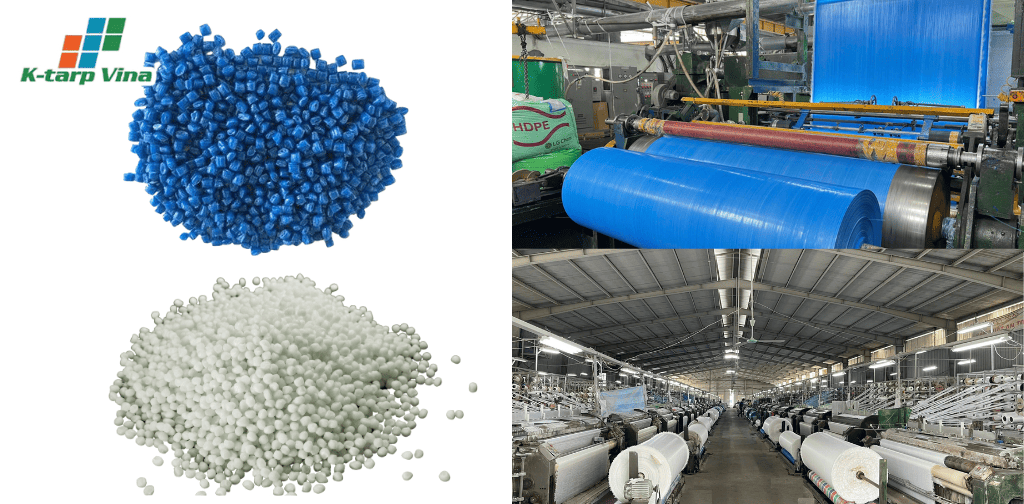
Industrial heavy duty tarpaulin is not simply a thicker tarp. It is a structurally engineered material designed for sustained exposure to demanding conditions such as heavy wind loads, prolonged UV radiation, and continuous mechanical tension. The product typically consists of a woven core layer that provides tensile strength, laminated or PVC-coated surfaces that ensure waterproofing, and reinforced edges that prevent structural failure at stress points.
Unlike light or medium-duty tarps used for temporary domestic protection, industrial-grade tarpaulins are built for operational continuity. They are used in environments where failure could result in material loss, project delays, or safety hazards. For construction contractors, logistics operators, and industrial facility managers, choosing the right industrial heavy duty tarpaulin directly impacts risk management and cost control.
The defining characteristics include high GSM ratings, strong tear resistance, UV stabilization additives, reinforced eyelets, and weatherproof sealing technology. These features collectively ensure long-term structural integrity even in challenging climates.
Technical Specifications of Industrial Heavy Duty Tarpaulin Explained Clearly
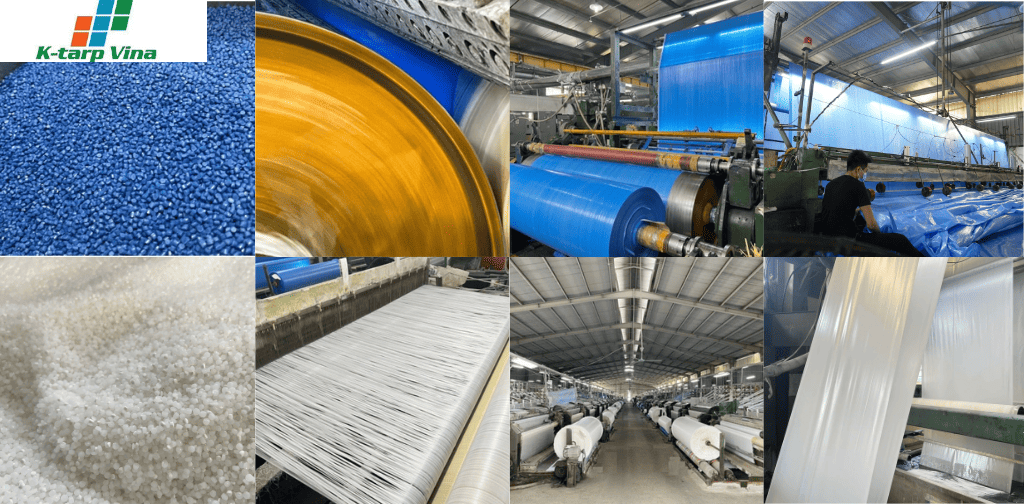
Understanding specifications is critical when selecting industrial heavy duty tarpaulin because performance varies significantly based on material composition and manufacturing standards.
GSM and Structural Strength
GSM (grams per square meter) measures fabric density and directly relates to durability. Industrial heavy duty tarpaulin typically ranges from 300 GSM to over 600 GSM. Higher GSM indicates thicker coating layers and stronger woven cores, resulting in improved resistance to tearing and puncture.
For example, tarpaulins in the 250–350 GSM range are suitable for moderate industrial use, while 400–600+ GSM products are preferred for construction roofing, heavy cargo coverage, and long-term outdoor installations. The selection should align with expected wind exposure, load tension, and environmental stress.
Material Composition: PE vs PVC
Industrial tarpaulins are primarily manufactured from PE (polyethylene) or PVC (polyvinyl chloride).
PE heavy duty tarpaulin is lightweight yet durable. It is cost-effective and widely used in logistics, agriculture, and temporary industrial covering. Its laminated woven structure offers flexibility and solid waterproofing performance.
PVC industrial heavy duty tarpaulin provides higher abrasion resistance, better chemical tolerance, and extended lifespan. It is commonly used in mining, oil and gas, heavy construction, and industrial containment systems where durability requirements are more demanding.
PVC variants are also available in flame-retardant grades, meeting industrial safety regulations.
Waterproofing, UV Resistance and Weather Durability
Industrial environments require reliable water resistance. High-quality industrial heavy duty tarpaulin uses heat-sealed seams and laminated coatings that prevent water penetration even under heavy rainfall.
UV resistance is achieved through stabilizing additives that protect polymer chains from degradation. Without UV stabilization, tarps become brittle over time. Industrial-grade products are specifically engineered for long-term sun exposure, ensuring flexibility and strength remain intact.
Additionally, many heavy duty tarps resist mold growth and temperature fluctuations, making them suitable for tropical and high-humidity climates.
Major Industrial Applications of Heavy Duty Tarpaulin
Industrial heavy duty tarpaulin plays a vital role across multiple sectors due to its adaptability and strength.
Construction Site Protection
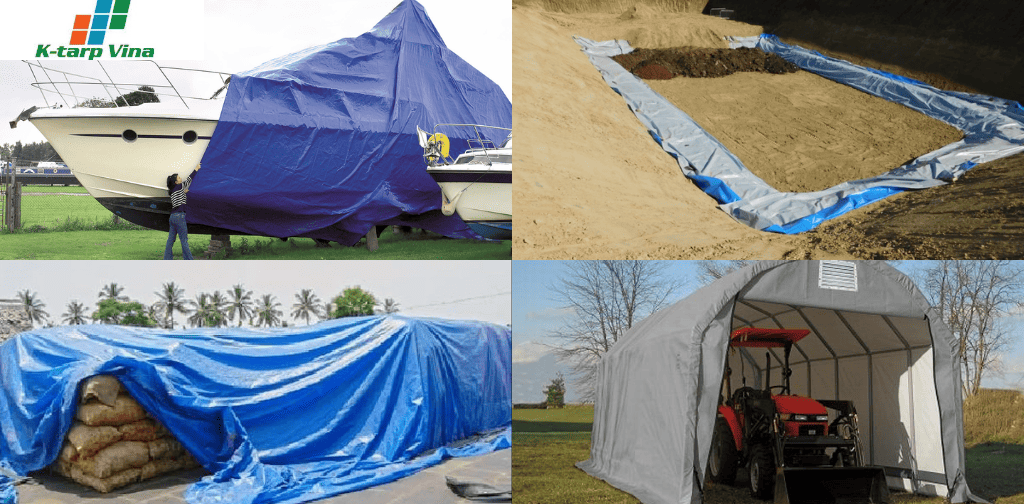
On construction sites, tarpaulins protect raw materials such as cement, steel bars, wood, and prefabricated components from rain damage. They are also used as temporary roofing systems, scaffolding covers, and debris containment barriers.
High GSM tarps prevent tearing during strong winds, while reinforced edges ensure secure fastening. By protecting materials from moisture exposure, contractors reduce waste and avoid costly delays.
Transportation and Logistics
In logistics operations, heavy duty industrial tarps are widely used as truck covers and cargo protection systems. During long-distance transport, goods are exposed to wind pressure, rain, dust, and road debris. A standard tarp may fail under such stress, but industrial heavy duty tarpaulin maintains structural integrity.
Flatbed trucks, shipping containers, and industrial freight carriers rely on durable tarp systems to secure loads safely and comply with transportation regulations.
Agriculture and Industrial Storage
In agriculture, industrial tarps protect harvested crops, hay, and machinery from environmental damage. UV-resistant coatings help preserve crop quality, while waterproofing prevents mold formation.
In warehousing and manufacturing facilities, heavy duty tarpaulins serve as machine covers, temporary partition walls, and protective floor liners. They are also used to create temporary shelters or storage zones in expansion projects.
How to Choose the Right Industrial Heavy Duty Tarpaulin for Your Project
Selecting the correct product requires a structured evaluation of operational requirements.
First, determine the expected lifespan. Short-term project coverage may require moderate GSM tarps, while long-term installations demand thicker, reinforced materials.
Second, analyze environmental exposure. Projects in high-wind coastal regions require stronger tensile resistance. Areas with intense sunlight require enhanced UV stabilization. Chemical exposure environments benefit from PVC-based tarpaulins.
Third, consider dimension requirements. Industrial heavy duty tarpaulin is available in pre-cut sheets or bulk roll format. Roll tarpaulin is ideal for manufacturers or contractors who require custom cutting and large-area coverage.
Finally, assess fastening systems. Reinforced eyelets and edge hemming should match load tension demands to prevent premature tearing.
Benefits of Investing in Industrial Heavy Duty Tarpaulin
Industrial heavy duty tarpaulin provides measurable operational advantages beyond simple weather protection.
Long-Term Cost Efficiency
Although the initial cost may be higher than standard tarps, industrial-grade products offer extended service life. Reduced replacement frequency lowers total operational expenditure over time.
Asset Protection and Risk Reduction
By shielding materials, machinery, and goods from environmental exposure, companies prevent damage-related losses. This directly improves project reliability and operational consistency.
Enhanced Workplace Safety
Properly installed heavy duty tarpaulins minimize falling debris risks and water-related hazards. Fire-retardant variants further enhance safety compliance in regulated industries.
Operational Flexibility
Unlike permanent structural solutions, tarpaulins provide adaptable coverage. They can be installed quickly, relocated easily, and customized to evolving project needs without major infrastructure investment.
Choosing a Reliable Industrial Heavy Duty Tarpaulin Manufacturer
Selecting the right supplier ensures consistent product quality and technical support.
A reputable manufacturer should maintain strict quality control systems, including tensile strength testing, UV resistance evaluation, and waterproof performance validation. Production capability should include both sheet cutting and roll-to-roll lamination processes.
Customization capacity is equally important. Industrial buyers often require specific GSM levels, reinforced edge designs, eyelet spacing configurations, or branded printing solutions. Export experience ensures proper packaging, documentation, and international logistics handling.
Contact Industrial Heavy Duty Tarpaulin Manufacturer
If you are sourcing high-quality industrial heavy duty tarpaulin for construction, logistics, agriculture, or industrial projects, professional consultation ensures you select the right specifications for your operational requirements.
K-Tarp Vina – Industrial Tarpaulin Manufacturer
📍 Address: Lot CN3+CN5+CN22, Tu Da–An Dao Industrial Cluster,
Binh Phu Commune, Phu Ninh District, Phu Tho Province, Vietnam
📧 Email: sales@ktarpvina.com
🌐 Website: www.ktarpvina.com
Our technical team provides consultation on GSM selection, PE vs PVC comparison, custom sizing, roll production, and international export solutions tailored to industrial applications.


